AI Advocacy Poster Prompts
AI can help activists, advocates, and designers create powerful visual messages—as long as the work stays rooted in movement aesthetics, cultural authenticity, and system-level critique.
This page provides ready-to-use AI advocacy poster prompts grounded in the Movement Aesthetics Toolkit (Lily, 2025), connecting historic poster-making traditions with contemporary digital tools. These prompts reference scarcity aesthetics, movement symbols, and system-focused messaging to ensure authenticity in AI-generated advocacy materials.
What Are AI Advocacy Poster Prompts?
AI advocacy poster prompts are written instructions that help an AI tool generate artwork aligned with movement values. These prompts reference:
- Scarcity aesthetics (limited colours, ink noise, misalignment)
- Movement symbols (ramps, castles, towers, tools, shamrocks)
- System-focused slogans
- Bold typography
- Co-designed resistance imagery
Within the movement aesthetics tradition, AI is not a replacement for real organising—it is a tool that can help visualise ideas, generate drafts, and make design more accessible.
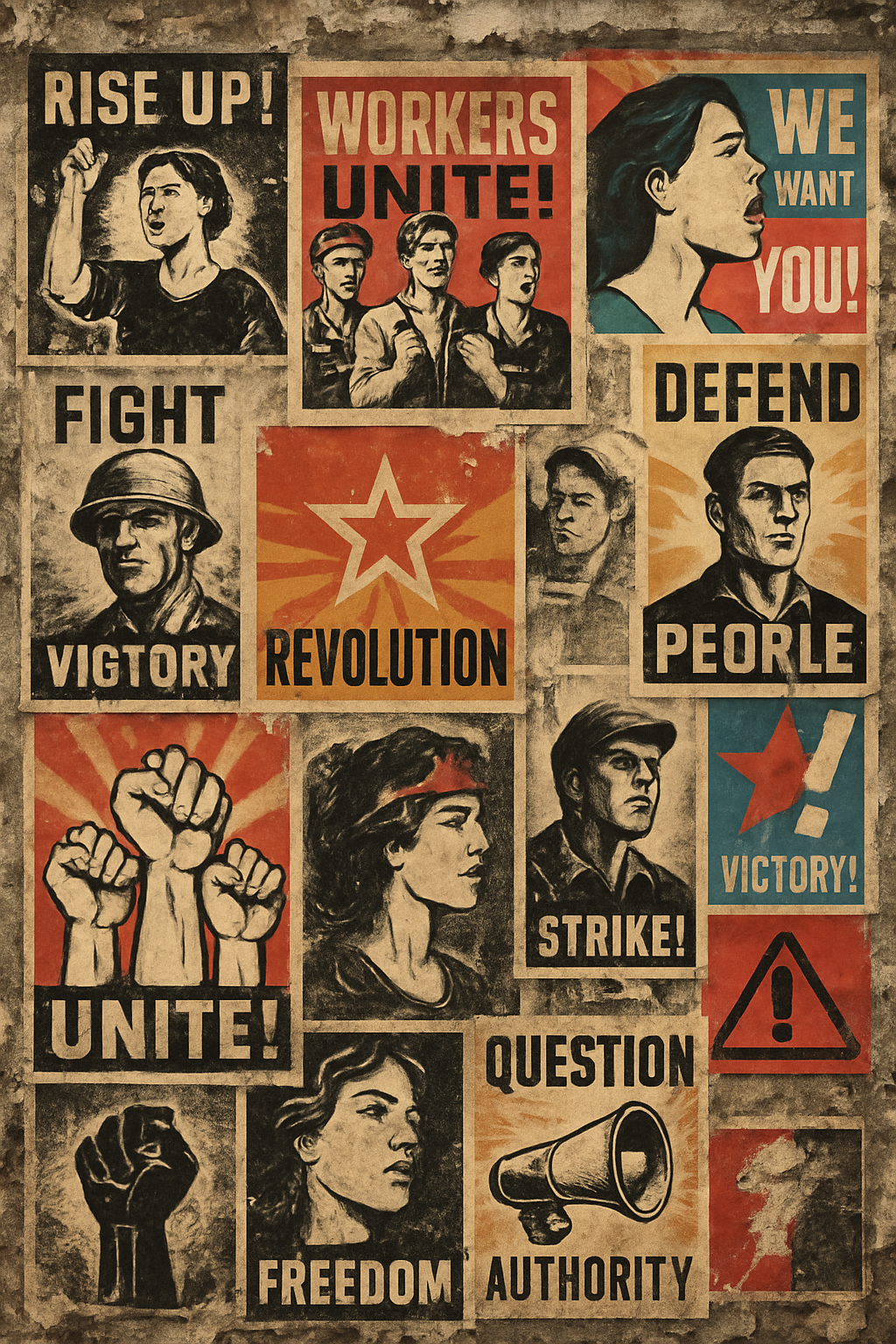
How AI connects to movement aesthetics
AI tools can replicate the visual language of grassroots movements when given specific instructions about texture, colour limitations, and symbolic content. The key is directing the AI toward scarcity-inspired design rather than polished corporate aesthetics.
When AI supports resistance design
AI becomes a valuable tool when it helps activists who lack design resources create materials that look authentic to movement traditions. It should amplify community voices, not replace them.
Why prompts matter for authenticity
Without careful prompting, AI defaults to glossy, commercial-style imagery that contradicts movement values. Specific prompts ensure the output reflects grassroots aesthetics and system-focused messaging.
Full Prompt Examples You Can Paste Into Your AI Tool
Copy and paste these complete prompts directly into your AI image generator:
Disability Advocacy
Copy this prompt:
Climate Justice
Copy this prompt:
Cultural Heritage
Copy this prompt:
Access is Power–Style Posters
Copy this prompt:
Digital Resistance Prompts
Copy this prompt:
How to Turn AI Outputs Into Movement-Ready Posters
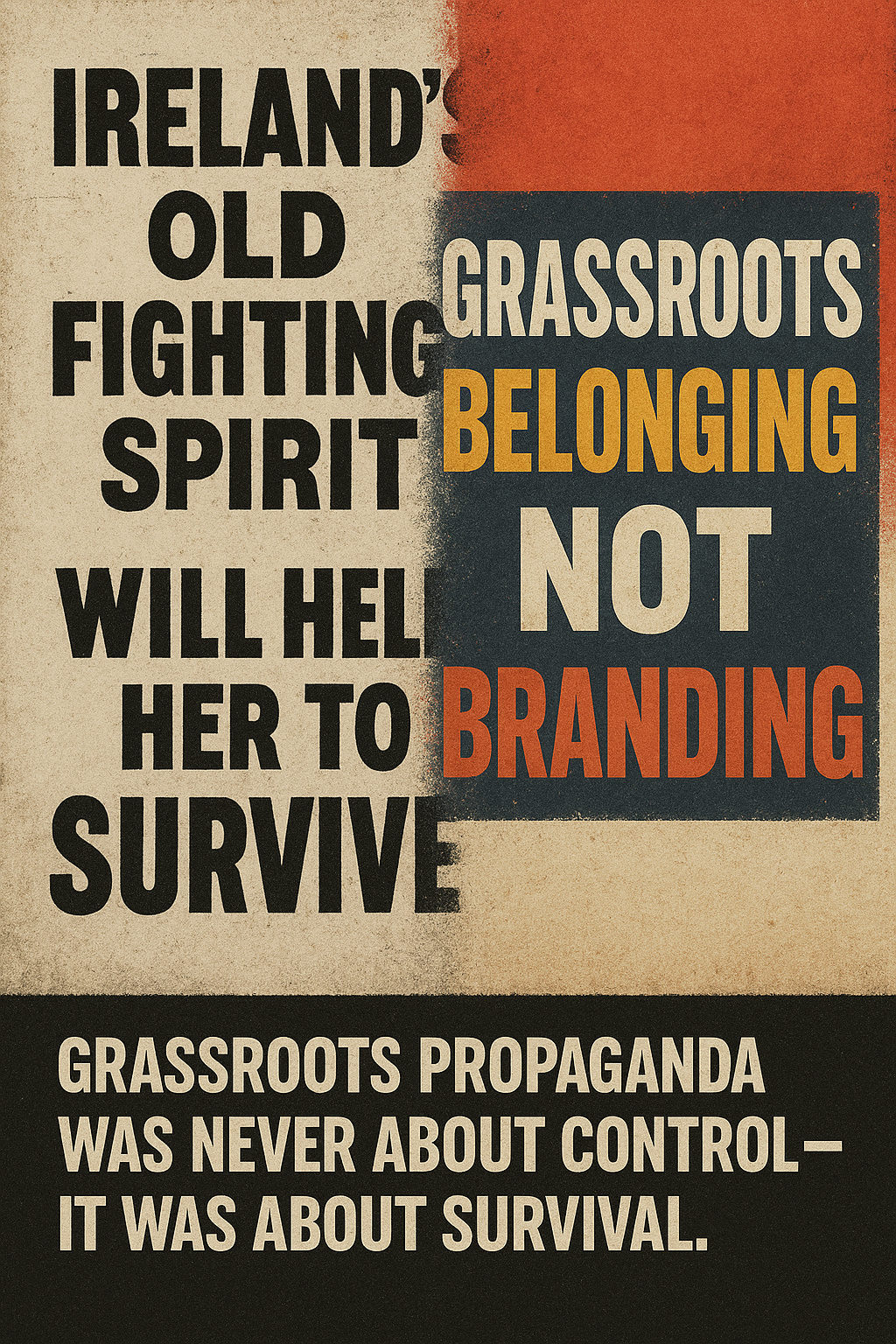
Editing for texture & imperfection
Lean into the unevenness—don't over-polish. Add grain, slight misalignment, and imperfect edges to maintain the grassroots aesthetic.
Adding real slogans
AI-generated text is unreliable and often nonsensical. Replace AI text with real slogans from movements, ensuring they're system-focused rather than individual-focused.
Creating alternative text
Describe the poster clearly and neutrally for screen readers. Example: "A two-colour poster featuring a large ramp symbol with bold text reading 'ACCESS IS POWER' in stencil-style lettering."
Co-creating with communities
No AI output should replace lived experience. Share drafts with affected communities and incorporate their feedback before finalising designs.
FAQ: Using AI in Advocacy Communications
Is AI allowed in activism?
Yes, as long as it's transparent, consensual, and grounded in real issues. AI should amplify community voices, not replace authentic organising or lived experience.
How to avoid harmful stereotypes
Use system-focused messaging rather than depictions of people. Focus on symbols, text, and abstract imagery rather than representations of specific communities.
Does AI remove authenticity?
Not if you intentionally add scarcity aesthetics, imperfect edges, and ground the work in real movement values. The key is using AI as a tool, not a replacement for community input.
How to ensure ethical use
Always involve affected communities in the design process, provide proper attribution, and ensure AI-generated materials serve movement goals rather than individual or corporate interests.
Download the Movement Aesthetics Toolkit
The full theoretical foundation for these prompts is available via DOI. This comprehensive toolkit provides the academic and practical framework for understanding movement aesthetics in digital contexts.
Official DOI
https://doi.org/10.5281/zenodo.17834551
How to cite the Toolkit
Lily, M. (2025, December 5). Movement Aesthetics Toolkit: A Guide to Digital Resistance. The Index Line.
Access the full PDF toolkit
Available on Zenodo
Direct PDF Download: Movement Aesthetics Toolkit PDF


.png)
How to run a quick WCAG spot-check
Use this 30-minute checklist to identify the most common accessibility issues on your website and ensure compliance with Web Content Accessibility Guidelines (WCAG). Read More…